



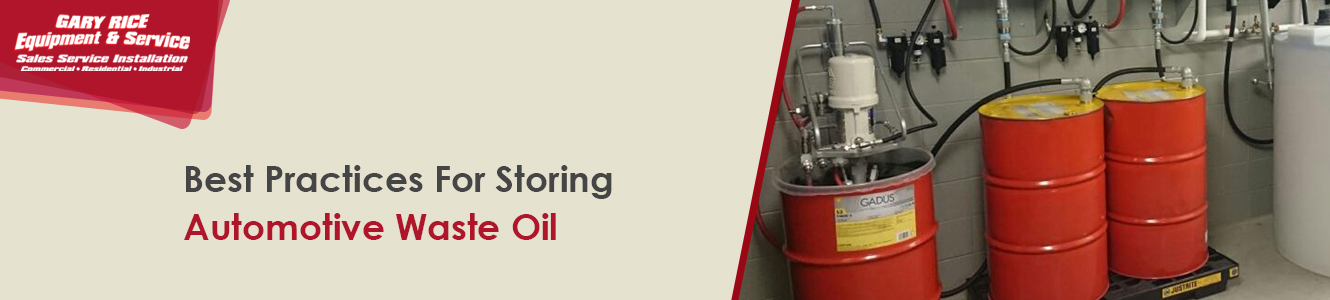
Handling automotive waste oil is a responsible job and it’s essential that you follow good practice while storing, handling, or disposing of waste oil. Waste oil is a hazardous substance, so handling and storing waste oil should be taken care of by trained professionals who know how to deal with it safely. Yes, oil can be re-refined into base stock for lubricating oil. Two gallons of used oil can help generate electricity for an average household for almost 24 hours. What we do with the used oil today determines our present and future environment condition. We may be aware that many substances get recycled like plastic bottles, glass, newspaper, etc., but we don’t know that motor oil can also be recycled. Automotive oil has great value even after it has been taken out from an engine. You save and conserve energy by taking them to a collection center for recycling, which is then reprocessed and used with furnaces and boilers for heating or it can be used with power plants to generate electricity for homes, schools, hospitals, and businesses. It can also be sent to refinery specialized in processing used oil and re-refined into lubricating base oils that can be used to formulate engine oils.
Importance Of Waste Oil Storage
- Keeps your professional workshop or home garage clean.
- It helps prevent accidents and keeps your employees safe.
- Your workshop looks neat and tidy.
- Gives your workshop a professional look.
- Responsible storage move.
Disposal For Home Garage
If your waste oil is lubricating oil from a vehicle, make sure you put it into a container or oil tank that isn’t damaged and has a secure lid. You should never pour waste oil down the drain or onto the ground. You need to be aware of the risk of fire and explosion if you have waste fuel to dispose of. Take the help of trained professionals to get rid of waste fuels. DON’T DO IT BY YOURSELF! Burning or adding waste oil to a home heating oil tank can be dangerous.Disposal For Professional Automotive Workshop
If your business produces, stores, collects, or transports waste oil, then you must meet the legal requirements. There are different legal requirements related to waste oil for different countries. Waste oil produced by an automotive industry or any commercial business may be covered by waste oil legislation for their storage, transport, recovery or disposal. You should always store waste oil separately from other kinds of wastes, this may be a legal requirement.Key Things To Remember
- Don’t mix waste oil with antifreeze, gasoline, gas additives, degreasers, or solvents. When these substances are mixed, they can’t be legally burned. They must be managed as a hazardous waste. Engine oil may be mixed with other oil-based fluids and may be burned in an oil fired space heater.
- Never pour waste oil in a rusty, unlabelled, dented or leaking container or tank.
- Never pour waste oil in the trash, on the ground, or down the drain. If the waste oil spills on the ground, clean it immediately.
- Always keep waste oil containers closed, except when filling or removing oil from them.


Comments are closed